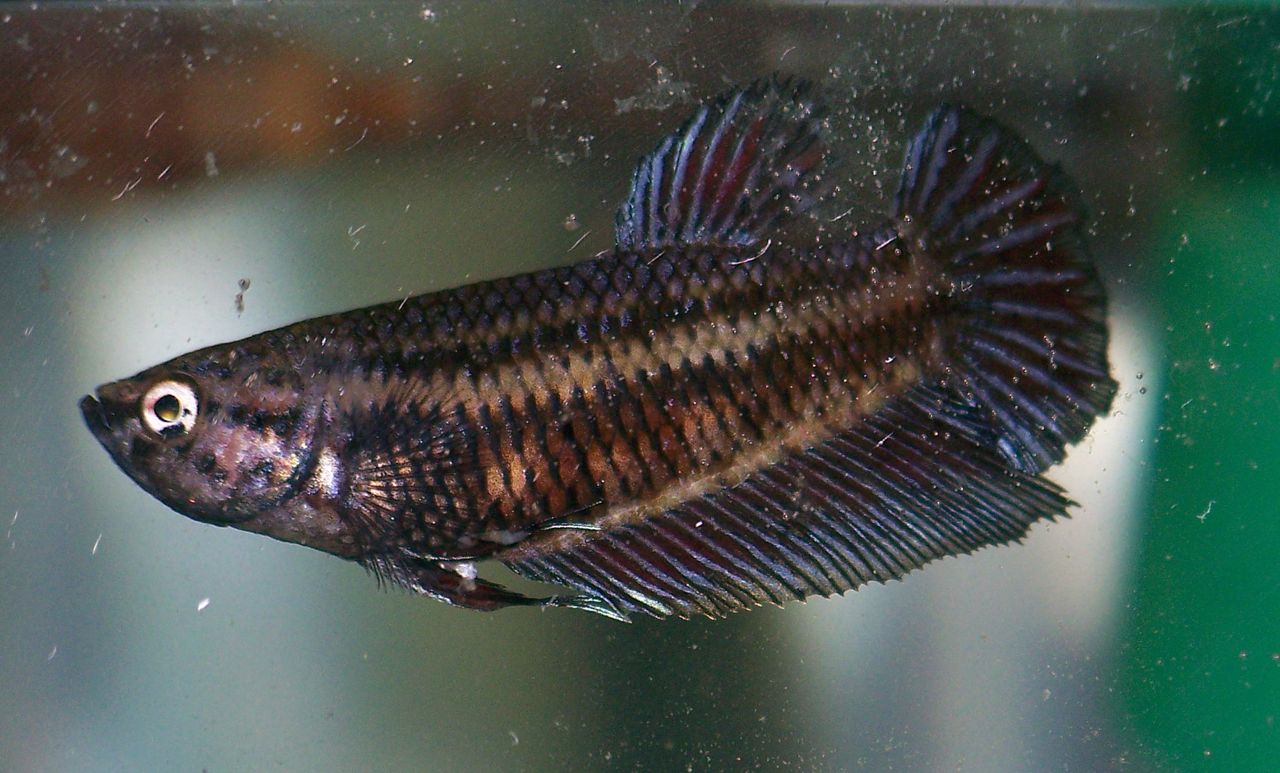
Female Betta Fish Breeding Stripes. Those are vertical stripes, not horizontal and they do mean stress. How to know if female betta is ready to breed.
Breeding or Fear Stripes? Fish Care from nippyfish.net Observing a Betta
The betta is also referred to being the Siamese battle fish. It's native to Southeast Asia, including Cambodia, Laos, Myanmar, Thailand, and Vietnam. It is an oceanic fish that would prefer an aquarium that is freshwater with a top-quality gravel substrate. It is well-known for its vibrant colors . It's an excellent pet for those who are new to the hobby.
Being observant of a betta
Observing a betta can help you to understand the nature of its behaviour. Bettas are naturally fascinated by the world around them. Any sudden change or change will grab their attention. They also have a habit of staring. They stare at every movement that may be the food source or predator.
You can observe the betta by placing it inside a tank with another Betta. You must ensure that both lighting and temperature the same. If you are able, observe the fish for 30-60 minutes each day. A classical playlist can help. While observing a Betta, it is important to observe patterns of behavior that suggest the fish is content and healthy.
A healthy betta would swim throughout the tank on regular routine, engaging with its environment. It could be a lazy swimmer or move swiftly from one side to the next. On the other hand an unhealthy betta might end up at the bottom the tank, and not show any signs of joy.
Betta's behavior is determined by the kind of stress it endures. If the fish senses threat, it may react aggressively. This is their method to dispel the threat. They may flare at other creatures or even at their reflection. Though this can be stressful for your betta's wellbeing, short episodes with flares can be managed.
Believing in a wild betta
It can be an exciting experience. These fish are incredibly curious and will explore their surroundings. Although they're simple to look after and maintain, you might be surprised at some of their fascinating behaviours. Here are a few warning signs to look for when you encounter one in its natural habitat:
Bettas are predators, and are typically prey for other animals, which is why they are extremely alert to any movement surrounding them. This implies that they are exceptionally alert, but they could be unable to move while watching. While you're looking at the fish, keep an eye out for any aggression that you see.
If you want to observe a wild betta, it's important to know about their environment. Bettas live in heavily structured ecosystems, so they do not require a lot of space. They prefer to spend most of their time hiding beneath vegetation. Their fins are small, they are difficult to see. Additionally, their muddy brown hue makes them difficult to discern.
Another major sign of aging the bettas are their lethargy. Bettas in their early years should be active, however, if they are unable to focus, they may have signs of illness. Also, they might not be as interested in food items as they used to be. There is also that they are less animated in their dances.
The observation of a captive betta
Being able to observe a captive betta is an excellent method of teaching students about the biology of bettas. Bettas are tropical fish that favor water that is 72 to temperatures of 82°F. They struggle with cold water as it can make them irritable and decreases their immune system. It is also a stressor to change the water frequently, which stresses them out. Their name comes out of the Malay language "betah," which means "fighter," referring to their endurance in water that is not habitable.
You can observe a beta's behavior within an aquarium to learn what makes it to swim better or behave different ways. It is also possible to examine the responses of bettas to environmental factors, like the temperature or rocks. You may also request pupils to run their own experiments. They are able to make predictions about how the fish will behave in various situations.
Another great way to understand more about bettas is by observing their feeding habits. Bettas prefer floating pellets over fish flakes. They are also required to come close to the surface in order for replenishment of their labyrinth, and they're not fond of the deep bottom.
Bettas are typically housed in a small aquarium, but there are some things to remember when caring for one. Bettas are particularly vulnerable to a variety of common freshwater fish diseases. They can be affected by ich or White Spot Disease, caused by the Ichthyophthirius multifiliis parasite. This parasite can be found in several freshwater aquariums for fish. When this parasite is infected on fish, it creates white spots on its body and they can be easily visible. The fish may also clamp its fins or hang in a trance on the surface of water.
Feeding a betta
Bettas require access to the surface of the water in order to breathe. The organ called a labyrinth on the body of the betta allows it extract oxygen the air. It's not necessary to purchase an air pump to keep your betta happy and healthy. They also require space to be able to hide in and swim. The bigger the tank, the better.
Bettas could consume up to three pellets each time they take a bite, so you'll need to ensure you've prepared enough food items. It is also essential to soak food items that are dry prior to. Feeding your betta the right quantity is crucial to its health and well-being.
When you overfeed your betta, it could lead to digestive problems. If your betta is fed too much, they'll get constipated and can result in several health problems. It is also possible that your betta appears unmotivated and spend a lot of the day in a sleepy state. This could mean that your betta suffers from SBD or is eating too much.
When choosing which food item to treat your baby betta to, be sure you get food that is high in nutrients and is free from harmful microbes. Bloodworms and brine shrimp can be found in ponds and water bodies and are a great food source for your betta.
Monitoring a betta while in captivity
Inspecting a betta's tank is an exciting experience. There is a wealth of information about the animal's behavior and the way it responds to kinds of. You can also sketch an image of a betta and talk about its features, dimensions, and colors. Compare a male and female betta to see the way they feed. In addition, it is possible to find out how different kinds foods affect the behavior and behavior of bettas.
Bettas don't live in large pools, but are much more comfortable in small, enclosed spaces. Their natural habitat is a shallow body of the water that is filled with vegetation. They spend most of their lives hid in the greenery. This means they're in constant contact with dirt and leaves.
Bettas are native to shallow, watery habitats throughout Southeast Asia. They are therefore adapted for life in small amounts of water with low oxygen. Bettas have evolved to survive in these harsh environments by constructing one of their organs, the labyrinth. It enables them to breathe air directly from the surface. Their diet is made up of insects and their larvae.
Bettas can be tranquil, but they may even fight with other fish. If you do not want to disrupt your male betta's peaceful existence it is recommended to keep him or her in an individual tank. A male Betta may attack another male in the vicinity.
The betta is observed in the wild
Watching a betta move about in its natural habitat is a wonderful way to learn about how it performs its behavior in the wild. Bettas are territorial species. They fight for their territory. Whichever gender, the bettas usually ram get into other fish. They also may bite the fins and fins from other fish. To ensure their safety the bettas require a secure and safe place to hide. An underwater cave or a heavily gardened area could be a excellent spot for them.
It is possible to study the behavior of a beta to discover how content or anxious it is. If it's upset, it'll spew, flake its fins, or react in other ways to the presence of you. If the fish is unhappy either bored or unhappy, it might even turn aggressive.
The betta is an ornamental fish that is very popular across the world. Its large fins will attract people's attention. The shark's natural aggression has made them the so-called "fighting fish." Be aware of their behaviour to help you determine their overall health , as well as the psychological state of a given fish when being fed.
The most important thing to keep in mind while observing a Betta in the wild is to look at closely at the species. Bettas are found in a variety of which the most well-known being blue, yellow, black, clear, and albino. The male Betta is generally brighter than the female. Their fins aren't the same size, and males tend to have bigger fins than females. They also can have an identifiable tail that may turn brown.
If you think that you are ready to breed, the first step of preparation you need to prepare is the permanent tank for your betta fish. Prepare the best permanent tank. The body length of the female betta is shorter and wider.
Just Some Breeding Stripes On The Female Betta.
Izzy has been going up and down recently. Female bettas have vertical bars or stripes on their bodies when they are in breeding condition. Stress stripes will manifest in a horizontal direction.
Sorry For Poor Quality Of Vid.
However, due to the aggressive nature of bettas, a male/female betta pair should not be. The female betta fish is less hostile than the male. How to know if female betta is ready to breed.
Male And Female Betta Fish Can Live Together Temporarily, Such As During Breeding.
The body length of the female betta is shorter and wider. A dedicated breeding tank will give the newly hatched fry a much better chance of survival. These stripes may be much darker or lighter than the.
In This Instance, No—Stars And Stripes Betta Fish Will Have Stripes On Their Bodies At All Times, Whereas A Regular Betta Fish May Have Stripes Develop Overtime.
Breeding stripes are a completely different phenomenon and will be discussed in a separate blog post. Horizontal stripes are stress bars. A pregnant betta fish, ready for mating, will develop some visible.
This Is From A Betta Breeding Site:
Yes, only females develop these stripes to. Certain substrates keep altering the general hardness, carbonate hardness and even ph! My male has built a huge bubble nest and my female is bursting with eggs but i can't see.
Share
Post a Comment
for "Female Betta Fish Breeding Stripes"

Post a Comment for "Female Betta Fish Breeding Stripes"